Ford Urges Governor to Sign Cold Case Review Legislation
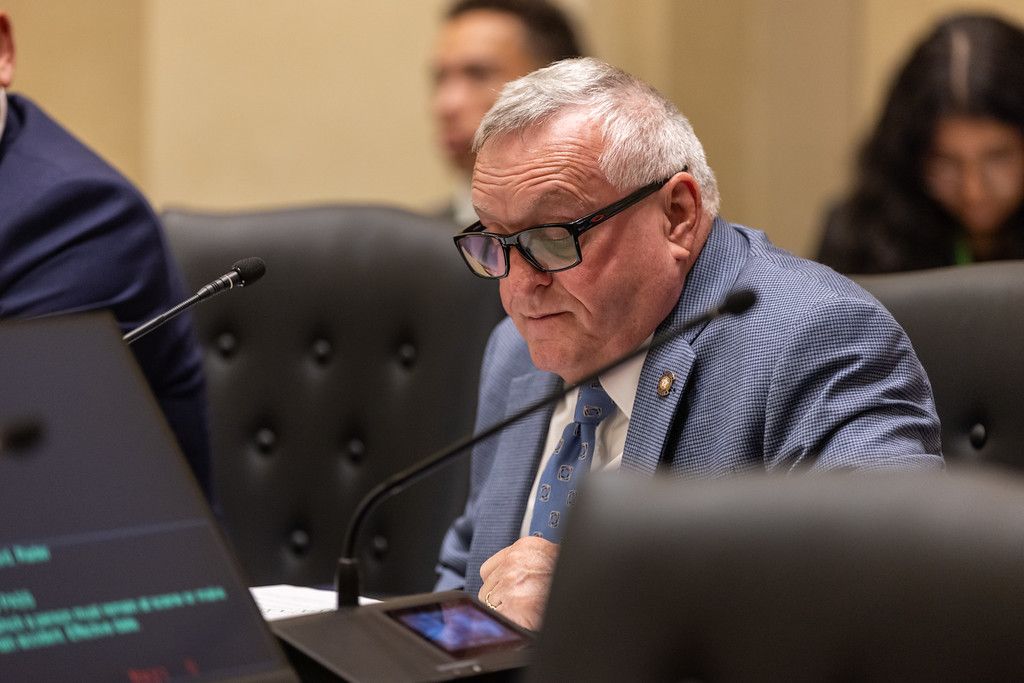
OKLAHOMA CITY – Rep. Ross Ford, R-Broken Arrow, on Tuesday passed a bill that establishes exact procedures for law enforcement to review cold cases involving violent crimes.
Senate Bill 1636 passed the House unanimously on a vote of 81-0 after previously passing the Senate 47-0. The legislation has been sent to the governor for his consideration of signing it into law. If enacted, it would become effective Nov. 1.
"As a former police officer, one of the worst things was telling someone I didn't have an answer for them about what happened to their loved one," Ford said. "This legislation sets up a better procedure for violent crime cold cases to be investigated with the hope this brings many of these cases to resolution."
Carri Hicks, D-Oklahoma City, is the Senate principal author of the measure.
“There are at least 1,000 Oklahoma families who have waited for years for justice for their loved ones. This bill will give them an opportunity to finally have the answers and the justice they deserve,” Hicks said. “I want to thank the members of the House for joining the Senate in unanimously approving Senate Bill 1636 and thank the governor for his consideration of this important legislation.”
SB1636 would require law enforcement to review cold case files upon written application by a designated person, including family members, to determine if further investigation would result in probative leads. The review must be performed by a person who has not previously investigated the case, and it must be completed within six months. The timeline may be extended under certain circumstances.
The review is to include an analysis of the investigative steps or follow-up steps that may have contributed to the initial investigation; an assessment of whether witnesses should be interviewed or reinterviewed; a review of physical evidence to determine if all appropriate forensic testing and analyses were performed in the first instance or if additional testing might produce information relevant to the investigation; and a modernization of the file to raise it to current investigative standards to the extent that it would develop probative leads.
The law enforcement agency receiving the application for review must confirm within 30 days of receipt and give periodic updates to the person requesting the review. The agency will then be required to meet periodically with the designated person to discuss findings and to explain the decision whether further investigation is warranted. Law enforcement agencies can jointly coordinate reviews.
After review, if the law enforcement agency concludes that further investigation is not warranted, no additional review can be taken for the same case for five years, unless new evidence is discovered.
