Dobrinski Celebrates Water Restoration Act Taking Effect
OKLAHOMA CITY – The Terry Peach Water Restoration Act, updated through House Bill 2988, goes into effect statewide Nov. 1.
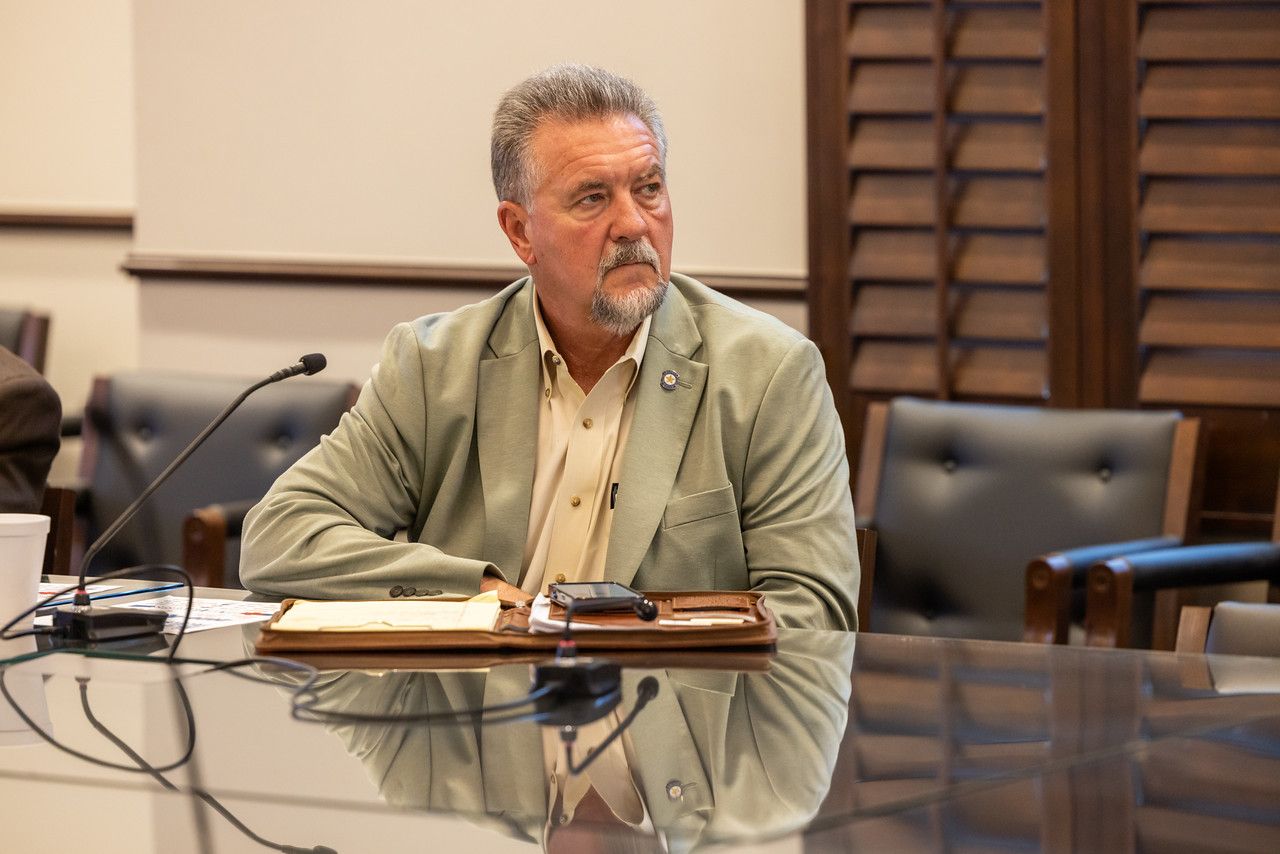
Rep. Mike Dobrinski, R-Okeene, is the principal author of the bill.
The legislation creates a statewide program to remove or eradicate harmful woody species, such as eastern red cedars and other trees and brush that consume massive amounts of water and present a fire danger in watershed areas throughout the state. The program previously was approved as a pilot, tested in the North Canadian Watershed.
"We made great progress after previous passage of bills to establish and fund the pilot program," Dobrinski said. "With lingering drought and persistent wildfire conditions throughout Oklahoma, the Legislature wisely chose to establish a consistent statewide plan to reverse the threat of these invasive species. I'm excited to have this law going into effect soon so other areas can benefit as we have in Western Oklahoma. Conservation of our resources and public protection from wildfires is of extreme importance."
HB2988 specifies the program is to be administered by the Oklahoma Conservation Commission.
Trey Lam, executive director of the commission, provided the following information about the program's implementation to date and plans moving forward:
- 2,450 acres, or 69 miles, of wildfire mitigation zones have been completed near 48 communities, lowering the risk of loss to life and property.
- The commission implemented 22,541 acres of prescribed fire through cost-share funds for landowners in Fiscal Years 2024 through 2026; 29,155 acres have been planned since July 1 for implementation in FY27.
- The commission completed seven Fighting Fire with Fire trainings for rural fire departments under the directives of the act since FY24. Five trainings are planned for FY27 with the first on Nov. 12 in Dewey.
- 55 grants have been awarded to rural fire departments and prescribed burn associations through the Fighting Fire with Fire workshop.
- 133 contracts for invasive woody species removal through the watershed restoration program were awarded in FY26, totaling 15,588 acres.
- The application period for FY27 Invasive Woody Species removal opened Sept. 1 and remains through Nov. 1. Currently, 600 applications have been received.
- Focus conservation districts for FY7 include the following counties and municipalities:
- Cleveland, Coal, Creek, Dewey, Grady, Hughes, Konawa, Lincoln, Logan, Major, McClain, Noble, North Caddo, Okfuskee, Oklahoma County, Okmulgee, Payne, Pontotoc, Seminole, Shawnee, South Caddo, West Caddo and Woodward.
- Applications can be made at the local conservation district office within the program area.
The legislation also created the Water Restoration Revolving Fund to be used by the Conservation Commission to manage and eradicate, where possible, harmful woody species that damage grazing lands, create significant wildfire risk, reduce wildlife habitat and reduce water flow into state waterways and water basins.
The commission is directed to cooperate with landowners, state agencies and other political subdivisions for the removal of the harmful woody species specified in the bill. It also must measure the density of the harmful woody species and estimate water used by those species as well as create a study using a parallel watershed with no control of harmful woody species, among other directives.
Dobrinski was recognized earlier this month as the 2026 Legislator of the Year by the Conservation Coalition of Oklahoma (CCO), in part because of his work on this legislation.
The award recognized Dobrinski's leadership on conservation legislation, commitment to responsible natural resource management and continued partnership in advancing practical, science-backed conservation policies across Oklahoma. The OCC specifically noted Dobrinski for his active involvement in addressing woody plant encroachment, the fuel behind many Oklahoma wildfires, and a growing concern for Oklahoma’s water resources, native grasslands, wildlife habitat and agricultural productivity. His legislative efforts include authoring HB2988 this year and serving as House author of Senate Bill 940 in 2025. Both address harmful woody species.
