Study Examines Alternative Education Strategies to Address Behavioral Challenges in Young Students
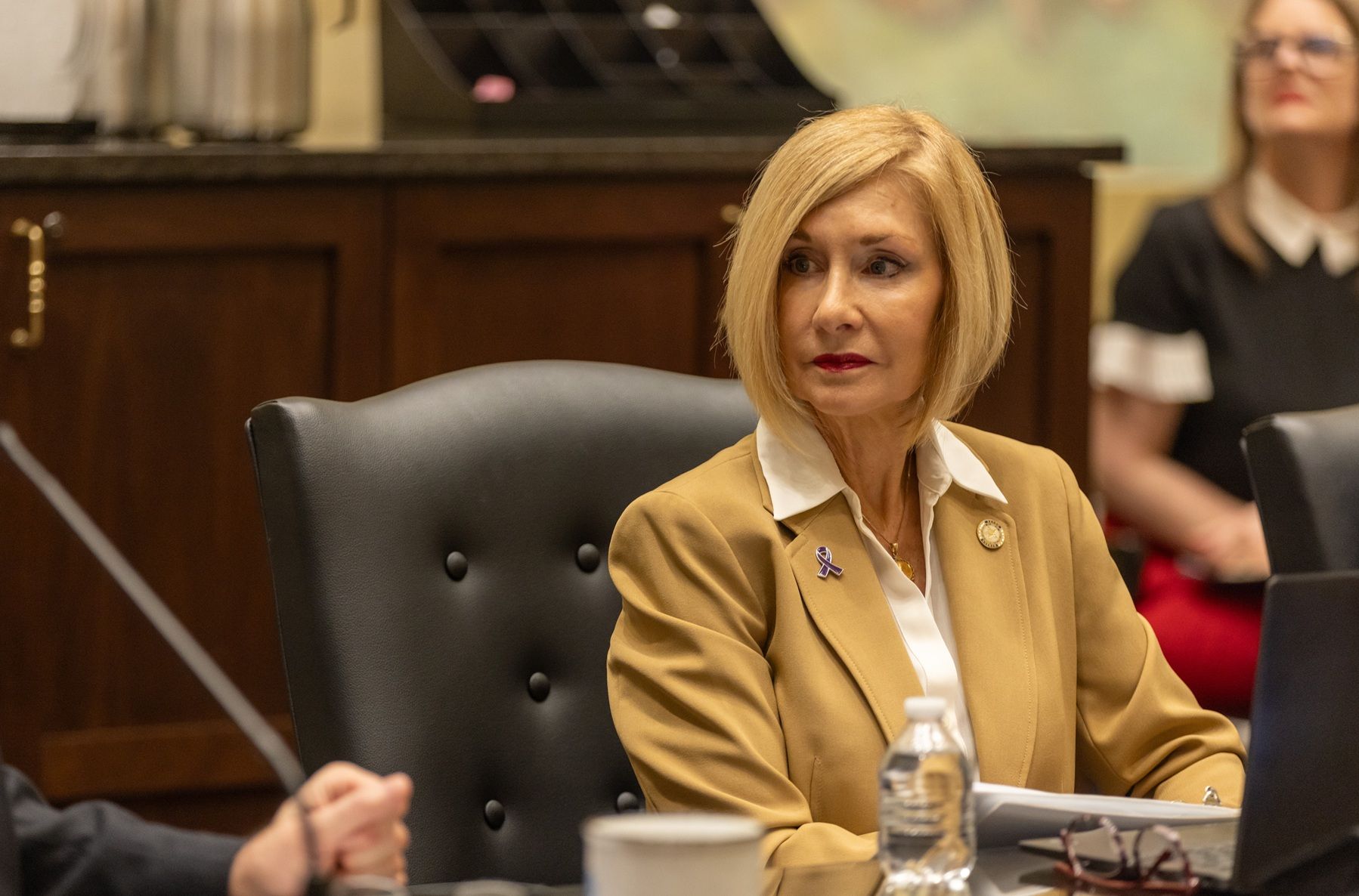
Rep. Tammy West, R-Oklahoma City, led an interim study on Wednesday that explored the effects of alternative education in elementary schools compared to long-term suspension.
"I've heard from parents in my district that are concerned about how behavioral challenges are addressed in elementary schools," West said. "Every student deserves access to the support they need, no matter where they live or the size of their school district. I hope that this study is a meaningful first step to finding solutions that promote student success and keep them included in their learning communities."
Dr. Kenny Rodrequez, superintendent of Putnam City Schools, said they have seen an “inordinate amount” of increased elementary behavior since 2020.
Rodrequez, who previously worked to redesign alternative education in Tulsa, stressed that alternative education shouldn't simply mean putting a student in a smaller classroom. Instead, he said, it should involve different strategies, individualized support, family involvement and trained staff to adequately provide both behavioral and academic support.
"Alternative had to be… different," Rodrequez said. "It wasn't just a smaller setting… We needed different strategies, we needed different tools in our toolbox. It needed to be individualized. It needed to be supported. It needed everybody coming to the table."
Rodrequez also argued that the objective shouldn’t be permanent placement in an alternative setting and that a successful alternative program should be designed around eventual return.
He added, "The goal was not placement, but just successful return back to that setting with maybe additional supports."
Amy Moyer, a principal in Verdigris, spoke about the challenges facing rural districts. She described administrators simultaneously handling discipline, IEP meetings, evaluations, transportation, federal programs and other responsibilities.
"We wear all those hats, and every time something else goes on, another report, another thing—again, who's the human that's going to do it? It falls back on us," Moyer said.
She also argued that county- or regional-level alternative programs could help small districts access resources they cannot afford individually. Moyer referenced a $20,000 grant available to cover behavioral therapy for qualifying students, but said the last time they sent a student to a behavioral therapist, the cost totaled $200,000.
Siomara Davis, a behavior interventionist at Edmond Public Schools, told the committee that behavioral intervention can be more effective when it happens before suspension.
Davis said she works with students, teachers and parents to develop plans when behavioral issues are first identified "in a hope we're not immediately jumping to suspension."
Presenters also emphasized that behavioral support does not mean eliminating accountability.
Brandon Carey, an attorney for the Oklahoma School Boards Association, spoke about the effects of federal laws, such as Title IX, on schools' disciplinary options.
Carey explained that federal law limits the circumstances under which a student with a disability can be removed from their normal educational setting for extended periods. After 10 days of removal, a manifestation determination is required, with additional requirements depending on the circumstances.
The full study may be viewed at okhouse.gov.
