988, 211 Lifeline Bills Pass Policy Committees Unanimously
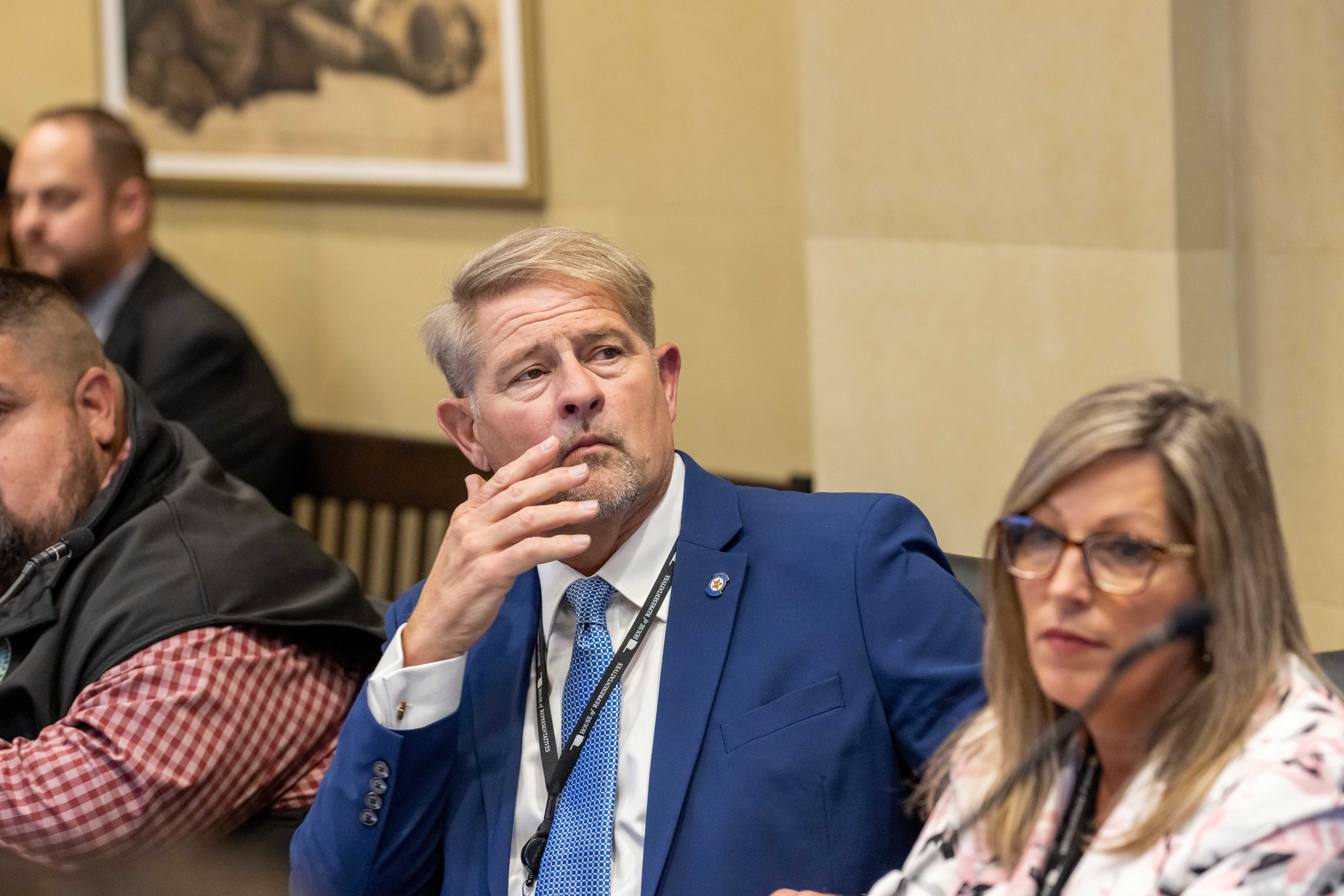
OKLAHOMA CITY – Two measures by Rep. Kevin Norwood, R-Owasso, aimed at strengthening Oklahoma’s crisis response systems, have advanced in the legislative process.
House Bill 4092, which addresses the state’s 988 mental health crisis system, passed unanimously out of the Appropriations and Budget Subcommittee with a 6-0 vote and now heads to the full Appropriations and Budget Committee.
House Bill 4095, which updates governance of the state’s 211 system, passed the Children, Youth and Family Services Committee with a 6-0 vote and now moves to the Health and Human Services Oversight Committee.
"I’m encouraged to see both of these bills advance to oversight," Norwood said. "Whether someone is facing a mental health crisis or simply needs help finding food, housing or other basic services, these systems have to work. Moving these measures forward means we are taking the next step toward strengthening the support networks Oklahomans rely on every day."
HB4092 would designate the Oklahoma Department of Mental Health and Substance Abuse Services as the lead agency for suicide prevention and crisis services and require designated 988 centers to meet national standards and best practices.
The measure would establish a statewide 988 Trust Fund to be administered by the department. The fund would support the creation and maintenance of a comprehensive, statewide 988 Lifeline system. The measure directs the state to implement strategies to ensure the behavioral health crisis system is adequately funded.
The bill also calls for enhanced use of technology to improve coordination, data collection and analysis in the delivery of behavioral health crisis services.
"988 has become a vital lifeline for Oklahomans facing mental health crises," Norwood said. "This bill makes sure we have clear oversight, strong coordination and sustainable funding so that when someone calls for help, the system is ready to respond."
House Bill 4095, which focuses on the governance structure of the Oklahoma 211 Collaborative, passed the Children, Youth and Family Services Policy Committee unanimously and now moves to the Health and Human Services Oversight Committee.
The Oklahoma 211 Collaborative is the lead entity for 211 call centers that connect Oklahomans to services such as food, housing, clothing, transportation and medical assistance.
The measure would reduce the collaborative’s membership from 15 to nine members, with three from the public sector and six from the private sector. Under current law, the body consists of five public and 10 private sector members.
The bill outlines appointment authority and would establish staggered initial terms to ensure continuity. Three members would serve one-year initial terms, three would serve two-year initial terms and three would serve three-year initial terms.
After the initial terms, members would serve three-year terms and may be reappointed. Vacancies would be filled by the original appointing authority, rather than by the collaborative itself.
"Our 211 system connects families to essential services every single day," Norwood said. "This update strengthens accountability and creates a clearer structure so the collaborative can continue serving Oklahomans effectively."
