Rep. Chad Caldwell Secures Oversight Passage of Education Reform Bills
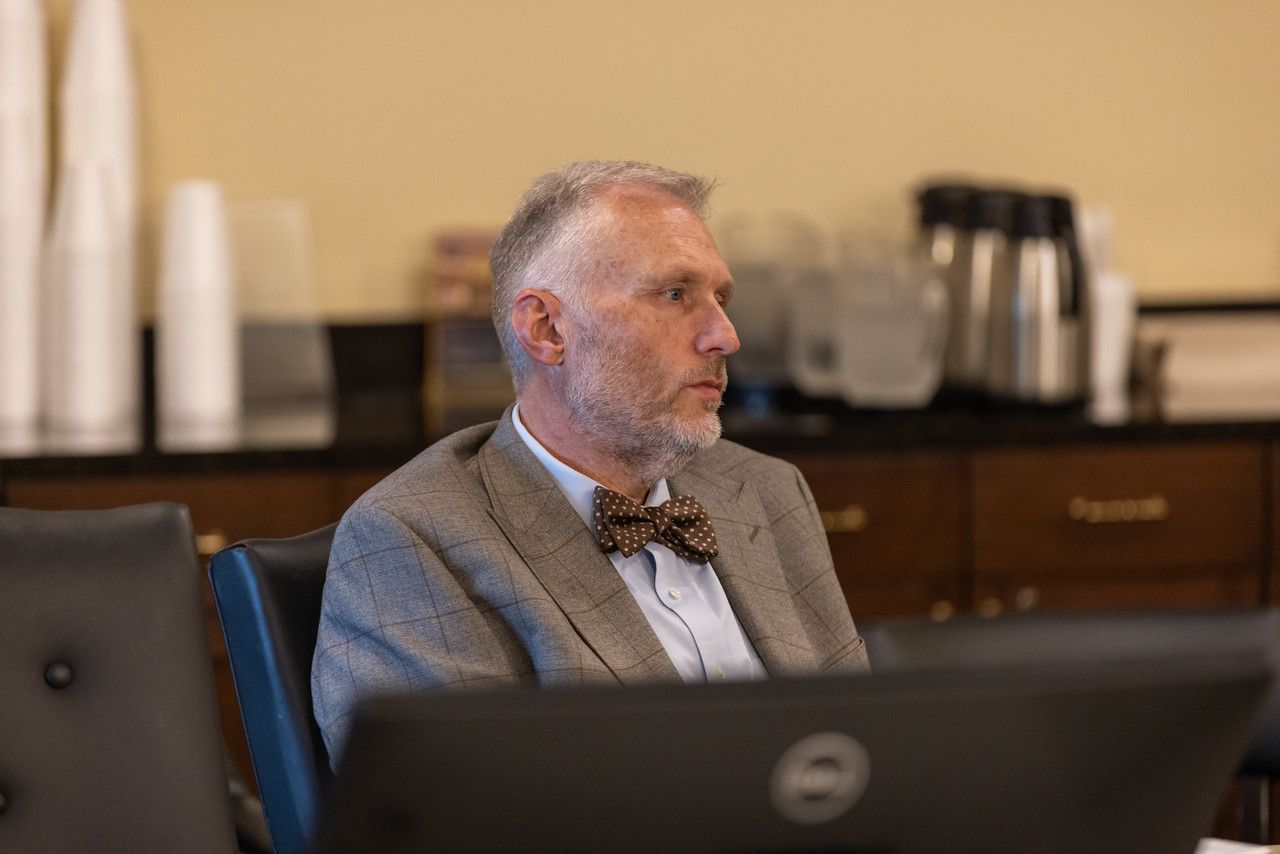
OKLAHOMA CITY – Rep. Chad Caldwell, R-Enid, on Wednesday passed a pair of higher education reforms in the House Education Oversight Committee.
House Bill 3700 would require state colleges and universities to implement a policy requiring students' grades to be based only on academic performance, including attendance, and not on a student's opinions, beliefs or conduct unrelated to academic situations.
Caldwell said the bill is the result of his work on the Oklahoma Free Speech Committee, which was created through legislation signed into law in 2022.
"The committee was asked to review the free speech policies of the state's 25 colleges and universities and found this policy in place at Rose State College," Caldwell said. "We began asking other colleges and universities whether they had a similar policy. While some said they considered this an unwritten policy, to date I've not come across another college that had this as a formal policy."
Caldwell said he's been asked whether HB3700 is a response to a complaint filed last year by a University of Oklahoma student who said she was discriminated against because of her religious beliefs expressed in a class essay. Caldwell said the idea for the legislation predates that occurrence. Had it been in place, however, it might have alleviated the need for the student's complaint and the university's consequent action against an adjunct professor.
"Having a clear policy on this matter would better serve all parties," he said.
Caldwell also cited reports in which students say they feel the need to self-censor or worry about expressing their personal opinions or beliefs on campus because of a fear it would negatively affect their grades.
"This, to me, runs contrary to the purpose of higher education," he said. “When a student enrolls in a college, they don’t sign away their First Amendment rights. We don't want teachers to reward students who agree with them or negatively affect the grades of those who don't."
HB3700 passed the Education Oversight Committee on a vote of 8-1. It is now eligible to be considered by a vote of the full membership of the House.
Also passed by the oversight committee was House Bill 3701, which would require the State Regents of Higher Education to review college degree programs on a five-year cycle. Any program determined to be "low producing," as defined in the measure, would trigger an annual review by the Regents, who must then consider suspending or deleting the program. The program could continue if it meets certain exceptions, but it would be placed on probationary status for three years and must submit a plan for improvement.
Caldwell said this bill simply codifies into statute the Regents’ existing procedures for consolidating low-producing programs. The State Regents recently voted to eliminate 41 low-producing degree programs and suspend 21 others.
