Hill Passes “Credential of Value” Bill to Strengthen Workforce Pipeline
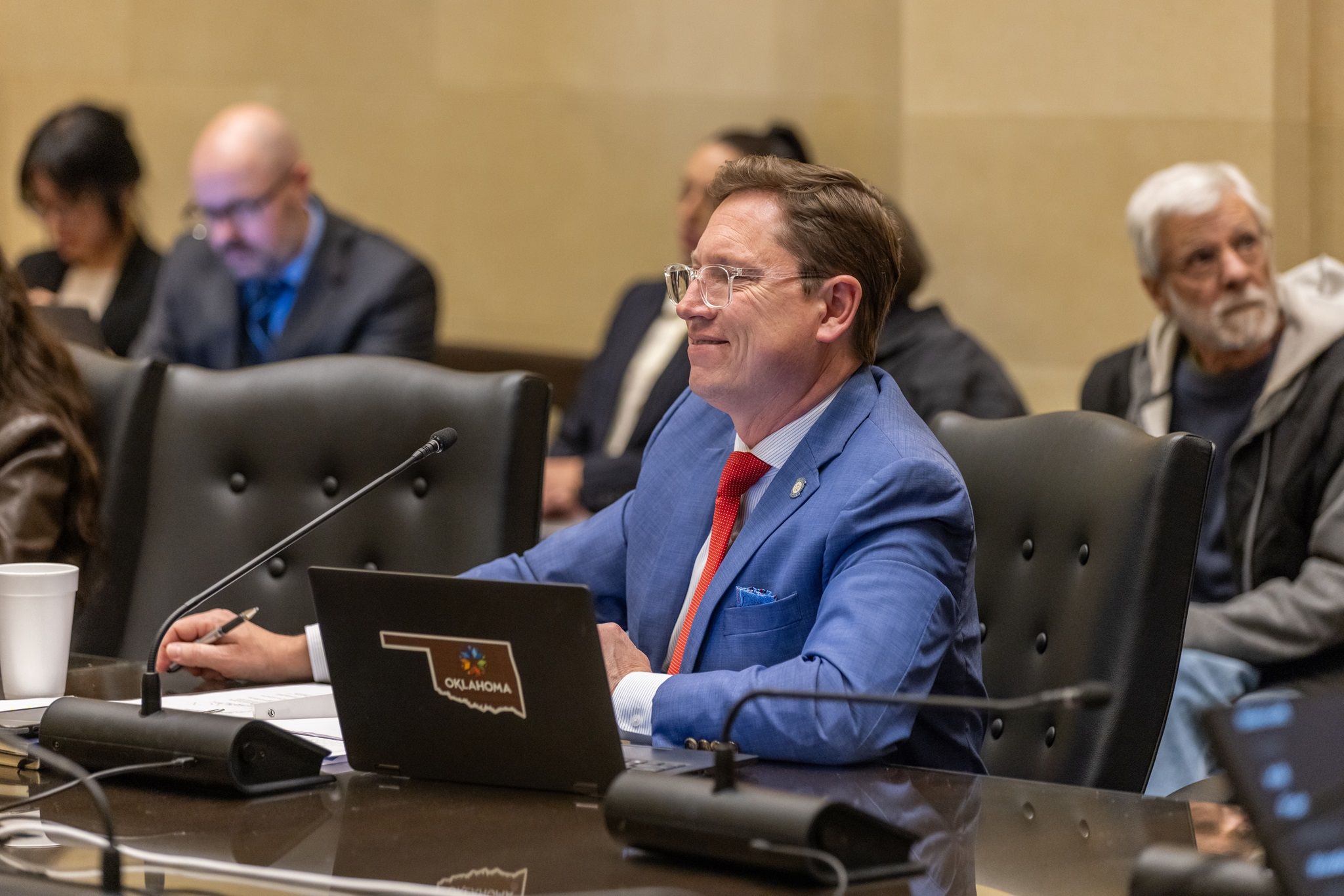
Legislation designed to better align higher education programs with workforce demand and improve transparency for students has passed the Oklahoma House of Representatives.
House Bill 2398, authored by Rep. Brian Hill, R-Mustang, establishes a statewide framework allowing the Oklahoma State Regents for Higher Education and the Oklahoma Department of Career and Technology Education to designate certain degrees, certificates, licenses and industry-recognized credentials as “credentials of value.”
Under the measure, programs seeking the designation must demonstrate strong outcomes for students, including a positive return on investment and alignment with state and regional workforce needs. The bill requires annual reporting on completion rates, employment outcomes, earnings and program costs to help students make informed decisions about their education and career paths.
"As our economy continues to evolve, Oklahoma must be intentional about connecting education with real workforce opportunities," Hill said. "House Bill 2398 helps ensure students have clear, reliable information about which programs are most likely to lead to good-paying jobs and long-term success. It will give students better guidance, strengthen our workforce pipeline and help ensure taxpayer-supported education programs deliver real value."
The legislation also includes safeguards Hill said would support high-need workforce areas such as education and public safety, helping Oklahoma continue to prepare workers for critical roles that serve communities across the state.
"We thank Rep. Brian Hill for his thoughtful leadership in advancing legislation focused on Credentials of Value," said Chancellor Sean Burrage. "Defining and measuring programs that lead Oklahomans to expanded career opportunities benefits individuals and families, serves our business community, and provides data to help institutions successfully align academic offerings with emerging workforce needs."
HB2398 passed the House 70-20 and now moves to the Senate for consideration, where it's authored by Sen. Aaron Reinhardt, R-Jenks.
