House Passes Measure to Create Long-Term Fund for 988 Mental Health Lifeline
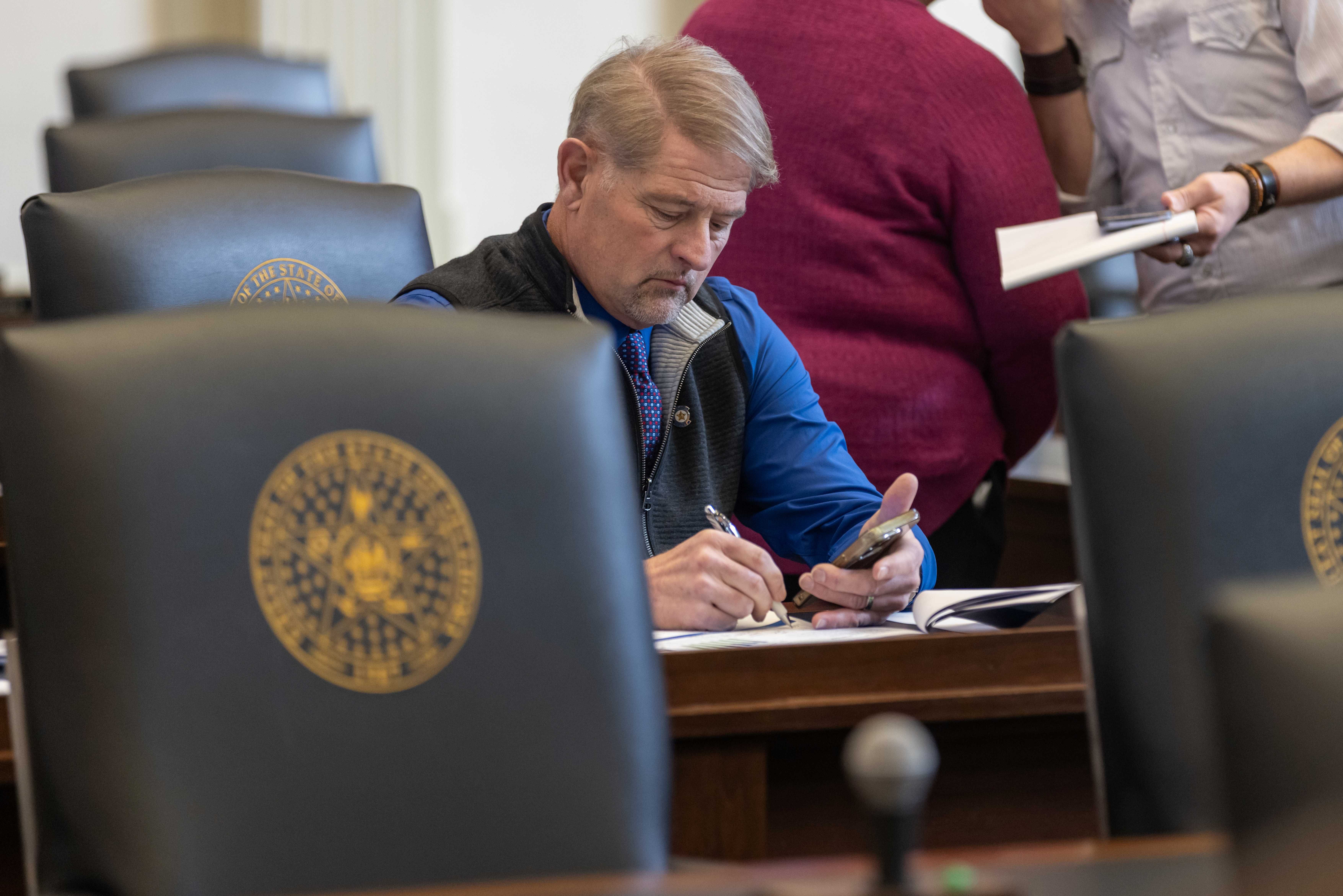
OKLAHOMA CITY - A measure to help ensure the long-term stability of Oklahoma’s 988 Mental Health Crisis Lifeline passed the House floor with a unanimous vote and now moves to the Senate for consideration.
House Bill 4092, authored by Rep. Kevin Norwood, R-Owasso, creates the 988 Lifeline Revolving Fund. The fund is designed to support the continued operation of the statewide crisis line as federal funding is set to expire in September.
"Creating this revolving fund gives us a responsible path forward," Norwood said. "It allows the state to plan ahead, coordinate resources and ensure continuity of care for individuals in crisis. I am thankful to my colleagues for understanding this need and getting this one step closer to the finish line."
According to the Oklahoma Department of Mental Health and Substance Abuse Services, the contract with Solari to operate the 988 Lifeline totals $5,760,886. The increased cost reflects both the loss of federal support and the expansion of services. The bill would not appropriate funding, but it would establish a dedicated fund to receive future federal dollars, state appropriations, grants and private contributions.
Currently, the 988 Lifeline handles more than 7,000 calls each month statewide, showing the growing need for immediate, accessible mental health support. The program’s operations will remain unchanged, with trained professionals continuing to respond to calls, texts and chats.
The measure also designates the Oklahoma Department of Mental Health and Substance Abuse Services as the lead agency for oversight of suicide prevention and crisis services. The department will coordinate with designated 988 Lifeline crisis centers and establish rules to improve communication, data sharing and service delivery across emergency response systems.
"The 988 Lifeline has become a critical resource for Oklahomans facing mental health crises," Norwood said. "This measure is about making sure that help is always there when someone needs it most, regardless of changes in federal funding."
The bill now advances to the Senate, where Sen. Brenda Stanley, R-Midwest City, is the Senate author.
