Bill Increasing Minimum Instructional Days Signed Into Law
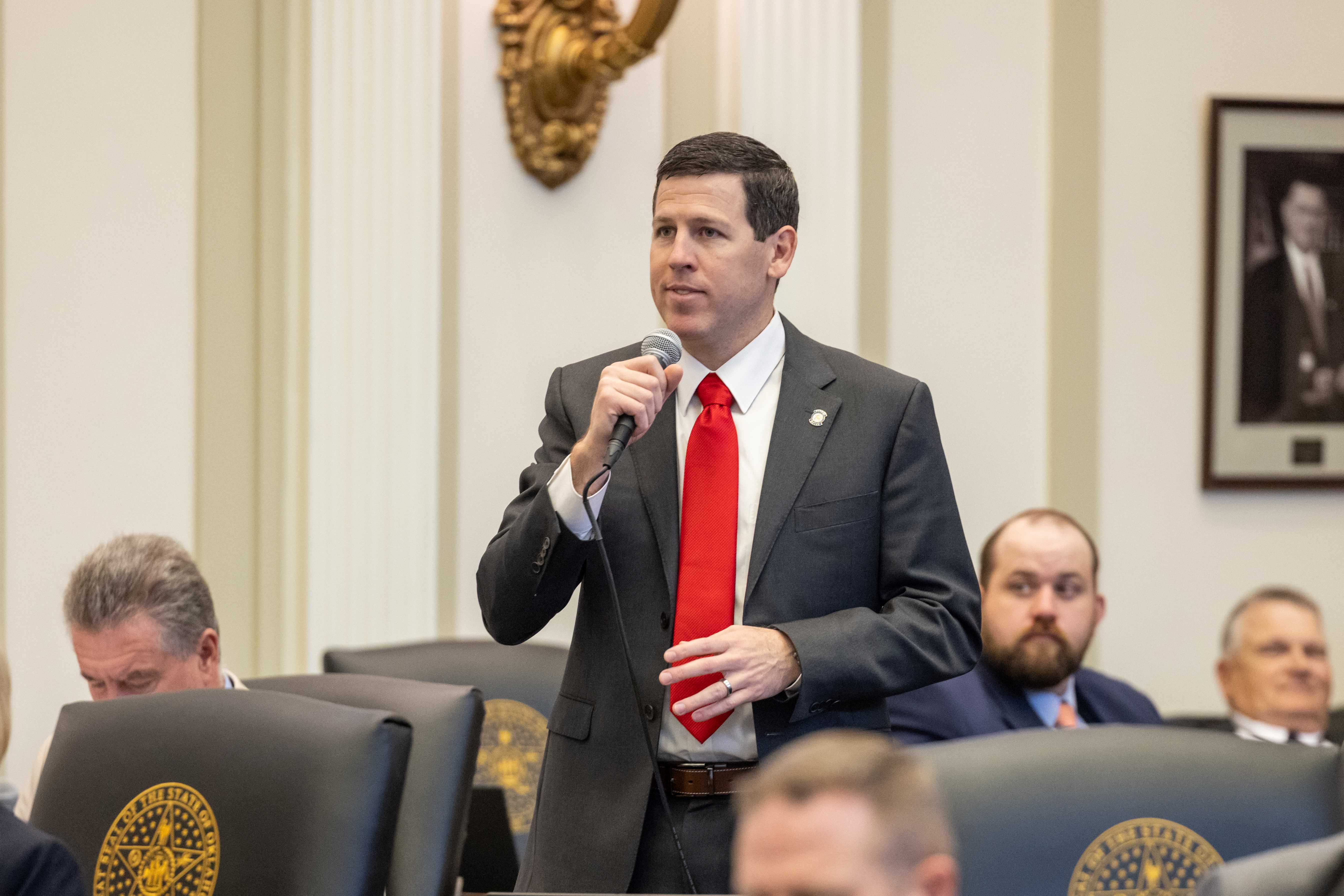
OKLAHOMA CITY – Rep. Rob Hall, R-Tulsa, and Pro Tem Lonnie Paxton, R-Tuttle, today commented on the signing of House Bill 3151, a measure to increase the minimum number of instructional days for certain public schools while maintaining current instructional hour requirements.
HB3151 increases the minimum number of instructional days from 166 to 173 for schools operating under an hours-based calendar, while maintaining the current minimum of 1,086 instructional hours. The change will take effect in the 2027-28 school year only if funding for the State Department of Education increases by at least $175 million over the next two fiscal years.
"This sets a clear, consistent floor while ensuring schools keep the flexibility they already have to build a calendar that works for their communities," Hall said. "A lot of districts are already meeting this standard today, and nothing about this affects professional development days or the total number of hours students are in the classroom. It simply spreads that time across more days in a way that can better support student learning."
Many school districts already meet or exceed the new 173-day minimum and will not be required to adjust their calendars. The measure does not impact professional development days and does not increase the total number of instructional hours required.
The bill also requires school districts that hold parent-teacher conferences during the school day to provide an in-person option for parents and legal guardians.
Lonnie Paxton, R-Tuttle, served as the Senate author of the measure.
"This legislation reflects a thoughtful, balanced approach to strengthening our education system without placing unnecessary burdens on our schools," Pro Tem Paxton said. "By setting a consistent minimum number of instructional days while maintaining current hour requirements, we’re giving districts the flexibility to design calendars that better support student success. Importantly, this change is tied to meaningful increases in education funding, ensuring schools have the resources they need to implement it effectively. I appreciate Governor Stitt for signing it, Representative Hall’s leadership and the broad coalition of stakeholders who came together to support this commonsense reform."
The measure was supported by a broad coalition of education and business groups, including the Oklahoma Education Association, Cooperative Council for Oklahoma School Administration, Oklahoma State School Boards Association, Professional Oklahoma Educators, Organization of Rural Oklahoma Schools, United Suburban Schools Association, ExcelinEd, Oklahoma Council of Public Affairs, Oklahoma Parents for Student Achievement and the State Chamber.
