Osburn Condemns Gov's Veto of Sunset Act Reform
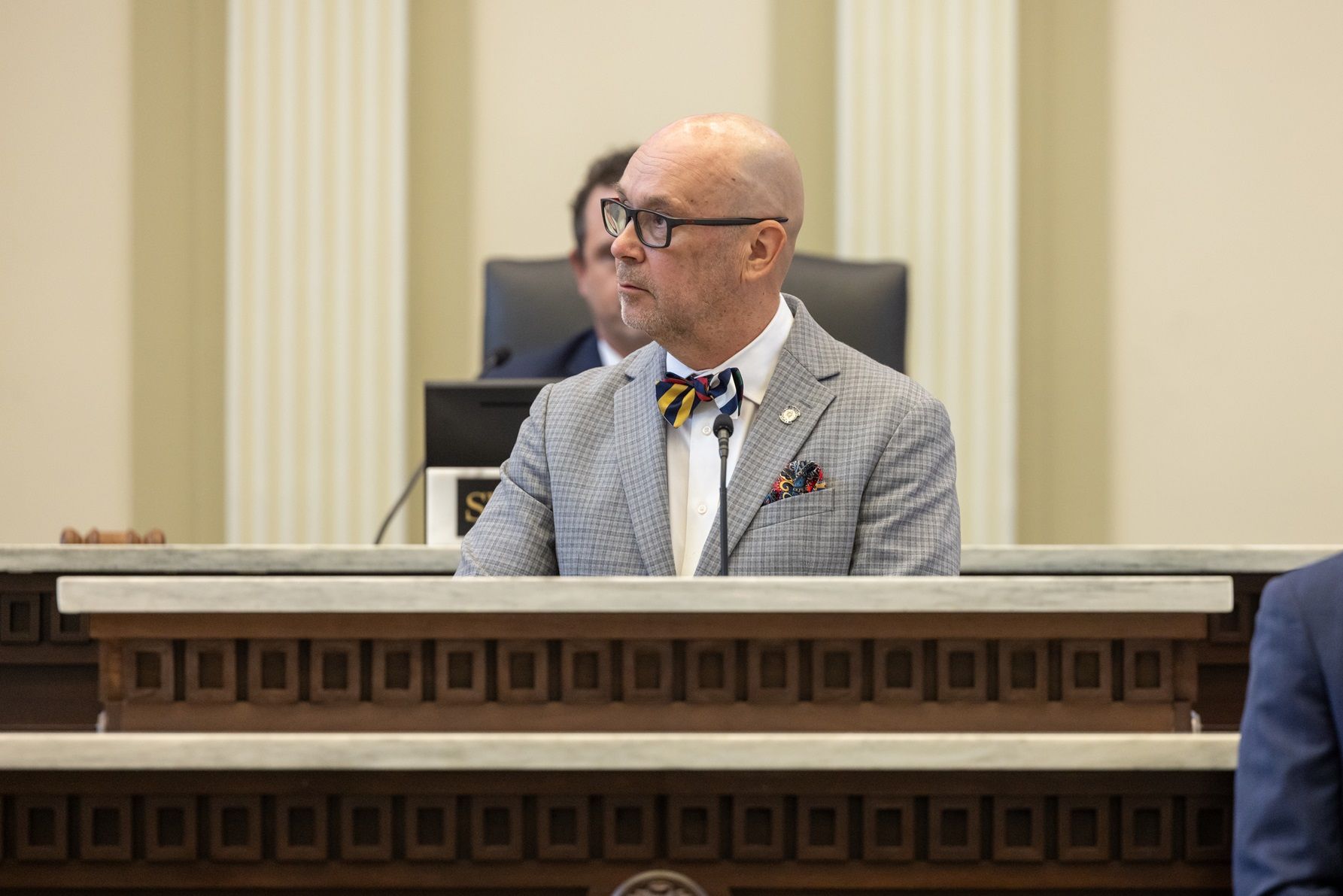
Rep. Mike Osburn, R-Edmond, today condemned the governor's veto of House Bill 3320, a move Osburn said ignores the need for smarter, more effective government.
HB3320 would establish a sunset review process for all statutorily created entities, requiring them to demonstrate a clear public need to continue operating. After legislative review, entities must implement any required changes within one year or be dissolved.
"The governor's veto of House Bill 3320 is a deeply misguided move that prioritizes outdated bureaucracy over meaningful, effective governance.
"Under the current sunset process, the Legislature spends numerous hours every year considering dozens of sunset renewals bills without any actual teeth beyond allowing them to entirely expire. HB3320 was designed to bring Oklahoma’s oversight process into the modern era. Instead, the governor chose to protect a broken, bureaucratic ritual that produces more paperwork than progress.
"Let me be clear: every agency, board and commission remains subject to open meetings, public records laws, audits and legislative scrutiny at any time. This bill would have allowed the Legislature to focus on underperforming agencies, requiring specific changes and better accountability rather than wasting time on agencies that are already operating efficiently. The governor’s veto rejects a streamlined approach in favor of maintaining an arbitrary system and continues uncertainty surrounding the very boards and commissions that regulate critical services across our state.
"The Legislature, and the people of Oklahoma, must continue pushing for reforms that make government more accountable and focused on results. The governor could share in this effort but instead chose the status quo."
Osburn quoted former President Ronald Reagan: "The people are the government. What we create we ought to be able to control."
He also pointed to the governor's veto last year of a bill extending the operations of the Oklahoma State Board of Cosmetology and Barbering, a move that risked the livelihoods of more than 77,000 Oklahomans and could have risked the health of thousands of citizens. Legislative action was taken to allow the Board to continue operating.
