Felony Trafficking of Abortion Pills Signed into Law
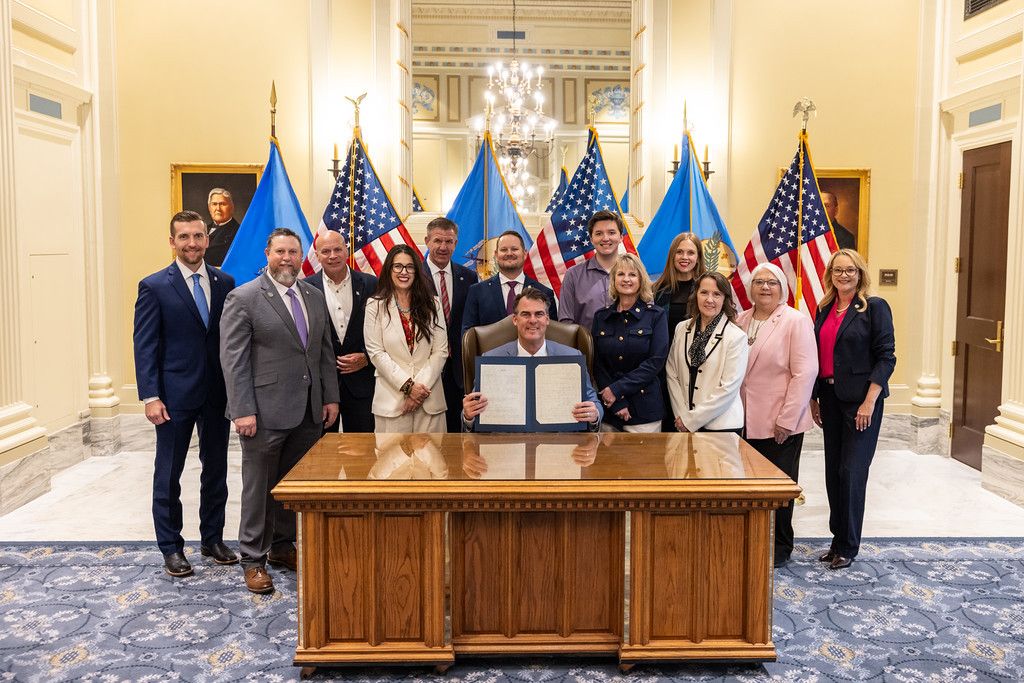
OKLAHOMA CITY – A bill making it a felony crime to traffic abortion pills has been signed into law by the governor.
Rep. Denise Crosswhite Hader, R-Piedmont, is the author of House Bill 1168. The measure creates a felony offense for anyone to knowingly possess or deliver abortion-inducing drugs — including mifepristone, misoprostol and methotrexate — to someone who intends to use them for an unlawful abortion.
"Abortion is already illegal in Oklahoma other than to protect the life of a mother in an emergency," Crosswhite Hader said. "What has happened, however, since that has become law in our state, is that people are trafficking abortion-inducing drugs to women who are already in a vulnerable state. That's unscrupulous, and it needs to stop.
"This bill is about protecting women from the horrible side effects of these pills. It's also to protect women from being taken advantage of by someone looking to personally profit from the distribution of these pills."
Sen. David Bullard, R-Durant, is the Senate author of the bill. He had this to say about its signing.
"We hear a lot about the trafficking of humans and children and rightfully so. We have worked hard to eliminate this enslavement of people. The trafficking of the abortion pill is no different than human trafficking and possibly worse. It is the largest killer of babies and the greatest threat to motherhood. It is the death sentence to an innocent baby who has been convicted of no crime and a false hope to a mother, soon to kill the child she carries. In fact, the injustice of the abortion pill being trafficked in Oklahoma is a generational loss of Holocaust proportions, and the victims are always twofold. Today, we took a big step in stopping both of those wrongs. Oklahoma will continue to stand for the rights of a person to have life, liberty and property."
Crosswhite Hader said she's heard reports of women being given these drugs by non-medical professionals who do not understand what the medications can do to a woman if administered incorrectly.
The drugs are often taken in isolation. This leaves the woman to go through cramping and bleeding and the shedding of her pregnancy with no medical expert on hand to help her through not only the physical pain and after-effects of the drugs, but also the mental anguish that can result from seeing her pre-term pregnancy in a non-viable state.
"I'm concerned that a woman given these drugs could die by herself, and they could keep her from being able to carry to term a pregnancy at a later date should that be desired," she said.
There's also a concern that only the second drug in a two-drug sequence are being given in some instances. The first drug is intended to stop the growth of the pregnancy. The second is to evacuate. To give the second drug without the first presents a greater danger to the woman, she said.
Under HB 1168, anyone convicted of trafficking or attempting to traffic abortion-inducing drugs could face a fine of up to $100,000, up to 10 years in prison, or both. This is the same as current law for those performing an illegal abortion.
The legislation only addresses those who intend to distribute these drugs illegally to others, not those who are accessing these drugs for themselves, Crosswhite Hader said.
This measure does not limit or prohibit the sale of contraceptives, and it would not impact couples undergoing IVF treatment. Under the definition of "Abortion-inducing drug, " included in the bill, it specifies that this definition does not apply to drugs that may be known to cause an abortion, but which are prescribed for other medical indications, such as chemotherapeutic agents or diagnostic drugs, or for treatment of an ectopic pregnancy or spontaneous miscarriage.
Additionally, HB 1168 does not apply to pharmacists, drug manufacturers or distributors who legally possess, sell or distribute pharmaceuticals intended for lawful medical purposes.
Crosswhite Hader said another factor to consider is the release of the abortifacient "forever" chemicals into wastewater that cannot be treated by facilities or septic systems. These then enter water supplies to be drunk by the rest of the population.
The bill passed the House last year and the Senate this year. It was signed into law by the governor May 5. He held a ceremonial signing of the bill today, allowing authors of the bill and pro-life supporters to be present to celebrate the measure becoming law.
