Turner to Pursue Legislation to Ban Kratom
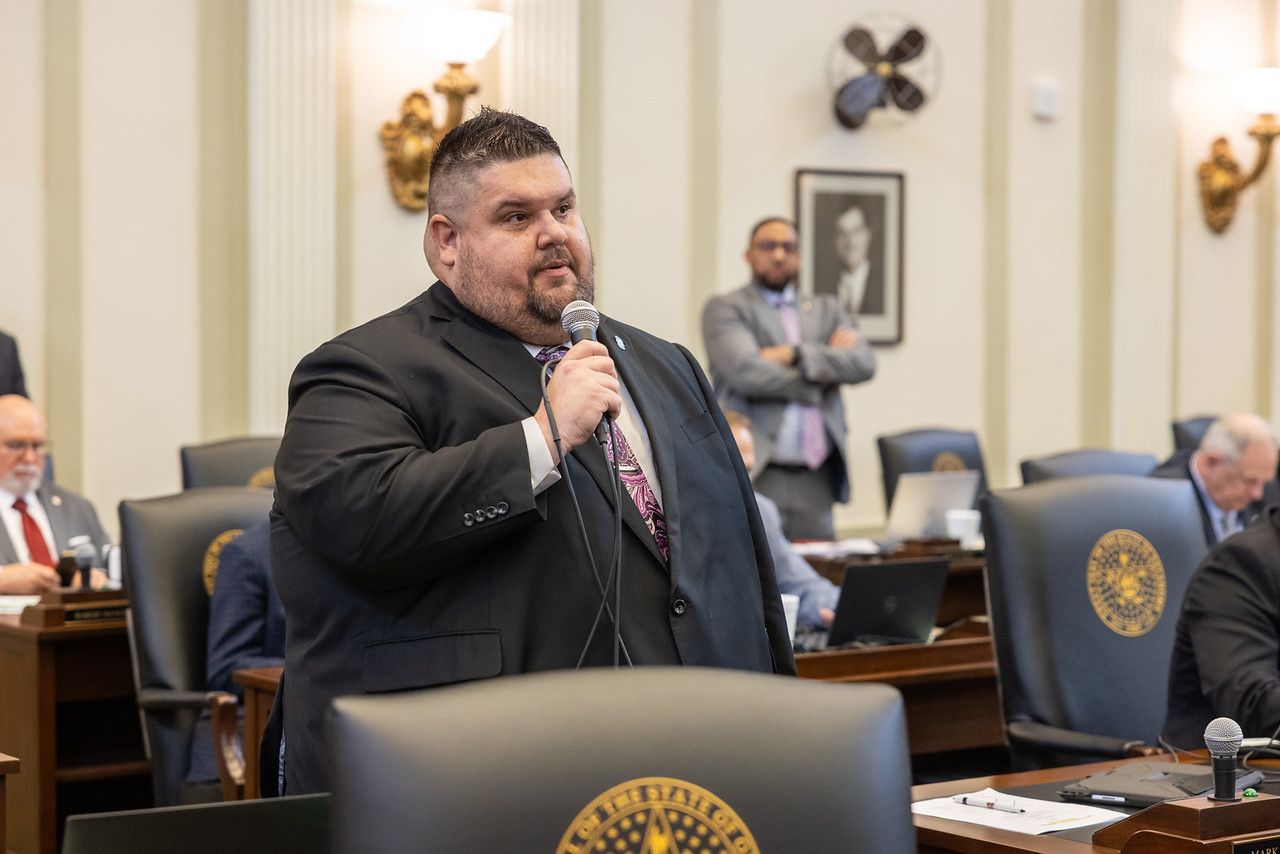
OKLAHOMA CITY – Rep. Tim Turner, R-Kinta, announced Friday that he intends to pursue legislation during the 61st Oklahoma Legislature addressing dangerous kratom-derived compounds linked to a growing number of deaths in Oklahoma.
Turner said his legislation will seek to place dangerous kratom alkaloids and concentrated or synthetically enhanced compounds, including 7 Hydroxymitragynine (7-OH), Mitragynine Pseudoindoxyl and Dihydro-7-Hydroxymitragynine (MGM-15), under Schedule I of the Oklahoma Uniform Controlled Dangerous Substances Act.
Turner, a former sheriff and longtime narcotics officer, said he is particularly concerned that kratom-derived products and highly concentrated compounds are readily available on the counters of convenience stores and other retail locations across Oklahoma.
“Our youth are more important than a dollar,” Turner said. “There is no amount of tax revenue, retail sales or industry profit that is worth the life of an Oklahoma child. We have an obligation to protect our kids, and getting these dangerous compounds off store counters is one way we can help save lives. We should not wait until another Oklahoma family receives a devastating phone call before we decide to act.”
According to information from the Oklahoma Office of the Chief Medical Examiner (OCME), from January through June 2026, 38 deaths were reported involving one of the identified compounds alone. Another 73 deaths involved at least one of the compounds in combination with another intoxicating drug or substance.
OCME has reported a significant rise in deaths associated with mitragynine alkaloids, both alone and in combination with alcohol or other medications. The agency has identified compounds of concern that include 7-Hydroxymitragynine (7-OH), Mitragynine Pseudoindoxyl and Dihydro-7-Hydroxymitragynine (MGM-15).
According to OCME, these substances can produce potent opioid-like effects and, when taken alone or with other sedating substances, can increase the likelihood of severe respiratory depression and death.
OCME has further reported that the increase in associated deaths began during the latter half of 2025 and has escalated in recent months. The agency has cited ease of accessibility, unregulated content, promotion as dietary supplements and vague package labeling as factors that can contribute to misconceptions about product safety.
Turner is already working with law enforcement officials and prosecutors to develop the legislation. He intends to work with fellow legislators, medical professionals and affected families as well.
Oklahoma Bureau of Narcotics Director Donnie Anderson said the state’s current law limits his agency’s ability to investigate suppliers of synthetically enhanced kratom products.
“I look forward to working with State Representative Tim Turner and the Oklahoma Legislature to enact strict laws that will give my agency the enforcement authority to protect the health and safety of our citizens from these dangerous products,” Anderson said. “Synthetically enhanced Kratom products are contributing to an alarming rise in overdoses and deaths in our state. But, because these products are not listed as Controlled Dangerous Substances in Oklahoma, we currently do not have jurisdiction to investigate and shut down the suppliers.”
District 27 District Attorney Jack Thorp also emphasized the need for lawmakers to address product safety.
“When kratom, particularly in combination with common medications like Benadryl, contributes to a death, we should take notice,” Thorp said. “Reasonable legislation ensuring these products are safe, properly tested, and clearly labeled can help prevent future tragedies.”
Turner said he also wants lawmakers to examine avenues for holding manufacturers and distributors accountable when evidence shows their products contributed to deaths or serious injuries.
“It is time to stop treating this like just another product on a convenience store shelf,” Turner said. “If companies knowingly manufacture, market, distribute or sell dangerous products that are killing Oklahomans, there needs to be accountability. That accountability should include both criminal and civil consequences where the facts and law support it.”
Turner said his more than two decades in law enforcement, including his experience as a sheriff and narcotics officer, shaped his decision to pursue the legislation.
“I didn’t come to the Legislature just to sit in a building and watch problems get worse,” Turner said. “It’s time for me to put my training outside this building to use and fight for the safety of Oklahoma families. If we can prevent one child from becoming addicted, overdosing or losing their life, then this effort is worth it.”
The bill introduction deadline for the first session of the 61st Oklahoma Legislature is Jan. 14, 2027. The first day of session is Feb. 1.
