Lawmakers Examine Grid-Enhancing Technologies to Meet Oklahoma’s Growing Energy Demand
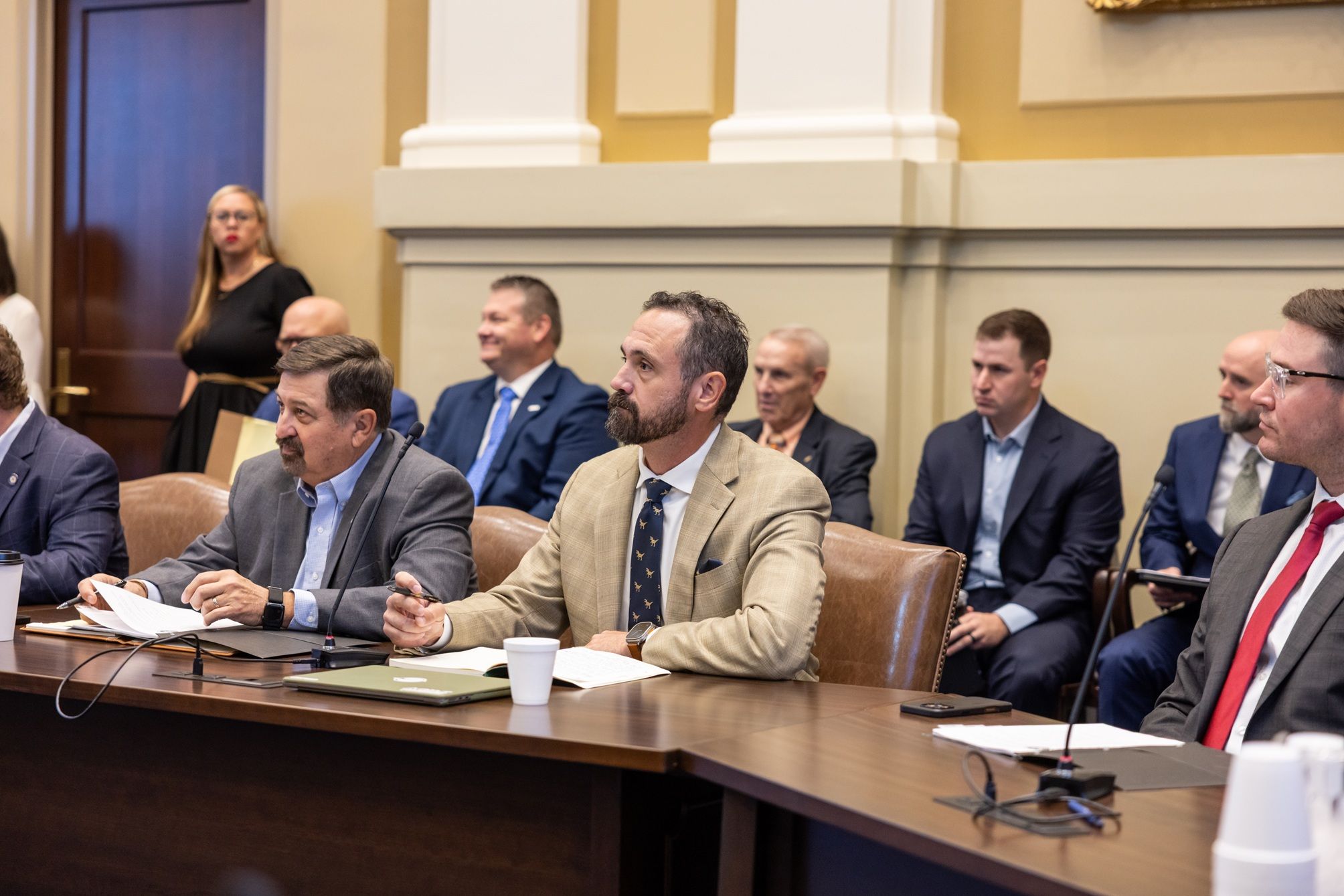
Oklahoma lawmakers examined emerging technologies and strategies to strengthen the state’s electric grid and meet growing energy demand during an interim study Wednesday at the State Capitol.
The study, requested by Rep. Nick Archer, R-Elk City, and Sen. Casey Murdock, R-Felt, heard from Oklahoma’s largest electric utilities, the Southwest Power Pool, the U.S. Department of Energy, the National Electrical Manufacturers Association and the Pew Charitable Trusts to discuss the state’s transmission and distribution systems and technologies that could improve grid capacity and reliability.
"This study wasn’t about reaching a predetermined conclusion," Archer said. "It was about understanding what technologies are available, how they’re being evaluated today and what technical, economic or regulatory barriers may affect their use."
Archer told the committee energy usage in the U.S. and Oklahoma has been relatively flat for two decades but is currently undergoing a "very extreme demand for power."
"Over my 12 years in state service, proposed transmission projects have repeatedly triggered nasty eminent domain fights across my district," Murdock said. "This study gave my legislative colleagues a better understanding of new grid-enhancing technologies that can strengthen our electric system and lower costs for consumers, all without massive new transmission lines. I look forward to continuing to work with Representative Archer on bringing these grid enhancements here to Oklahoma."
Adam Snapp, director of transmission planning for Oklahoma Gas & Electric, discussed grid-enhancing technologies (GETs) such as static synchronous compensators, which provide dynamic voltage support, and advanced power-flow control devices that can help reduce congestion and make better use of existing transmission lines.
Snapp said OG&E has used GETs since 2007 and plans to continue using them as appropriate, describing them as a "valuable tool in the toolbox." He also noted that when existing structures are nearing the end of their service life or a significantly larger conductor is needed, rebuilding a transmission line may be the most cost-effective option.
Jeffrey Ellis, director of distribution planning for Public Service Company of Oklahoma, said utilities are already using these technologies as they evaluate how to best serve ratepayers. He emphasized that grid-enhancing technologies are not a replacement for traditional transmission in every circumstance.
"GETs and traditional transmission are not competitors," he said. "Advanced technologies may increase capability or address particular transmission constraints in the right circumstances, but they do not eliminate situations where maybe rebuilding is necessary."
Richard Ross, director of transmission readiness and seams planning for the Southwest Power Pool, discussed the challenges of meeting long-term transmission needs, noting that many of the best long-term solutions can involve large transmission lines that take years to bring into service.
David Parsons, deputy director of the U.S. Department of Energy’s Office of Electricity, echoed that sentiment, telling legislators demand is changing faster than many of the core infrastructure processes traditionally relied upon to serve it.
The discussion comes as Oklahoma considers how to prepare its electric system for increasing demand while making efficient use of existing infrastructure. Last session, Archer and Murdock authored House Bill 3183, the GET Over Congestion Act, which would have required utilities to analyze the cost effectiveness of deploying advanced transmission and grid-enhancing technologies to address congestion.
Archer said the discussion provided lawmakers with a better understanding of how utilities and regional planners evaluate transmission needs and where emerging technologies may fit within that process.
