Miller Examines Wrong-Way Driving Prevention
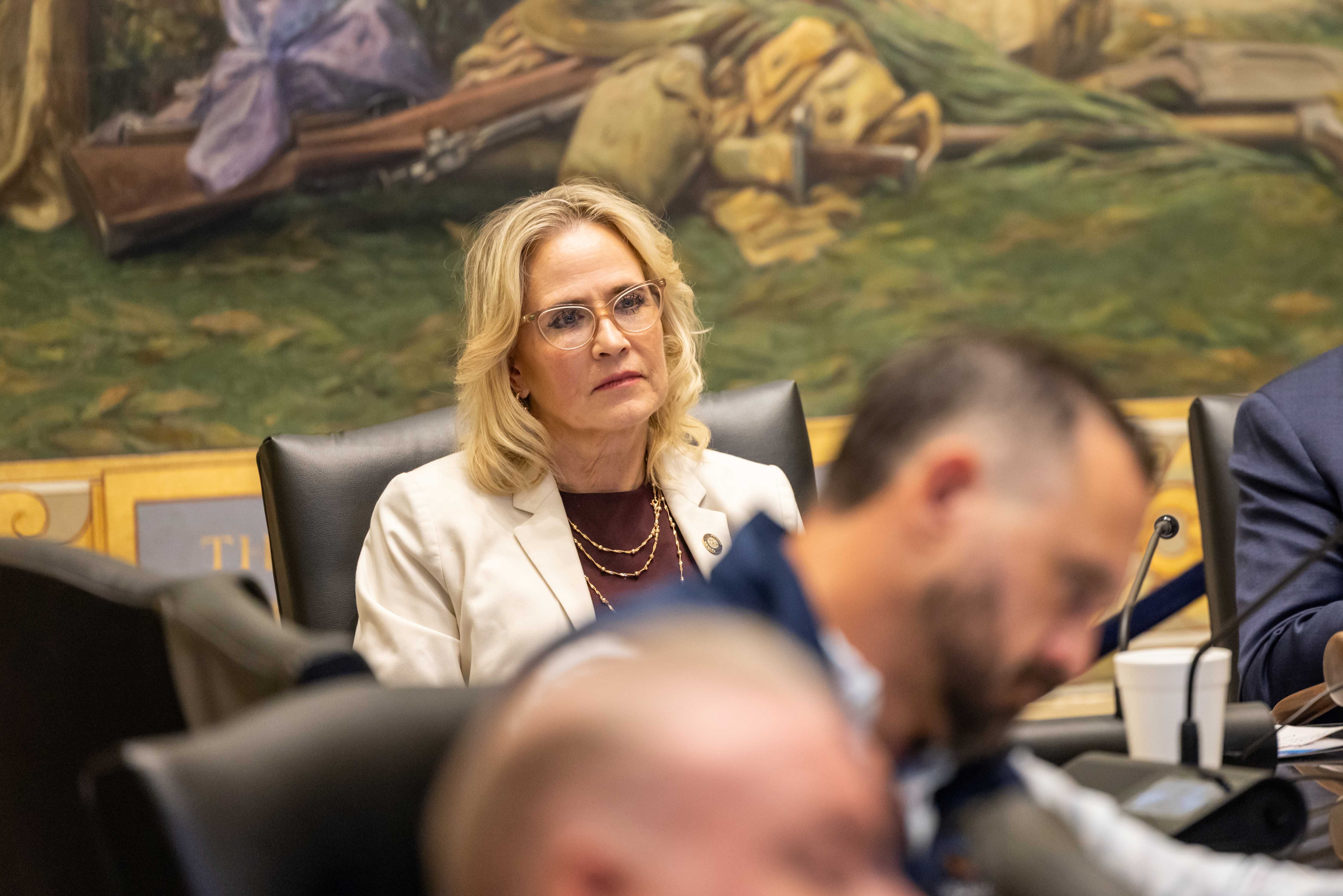
OKLAHOMA CITY – Rep. Nicole Miller, R-Edmond, held an interim study examining wrong-way driving in Oklahoma and how emerging technology could help prevent serious and fatal crashes.
Miller, chair of the House Appropriations and Budget Transportation Subcommittee, said the study examined Oklahoma’s current efforts, gathered input from other states and explored opportunities to build upon work already underway.
"Oklahoma has been using foundational countermeasures to address wrong-way driving, and maintaining those efforts remains essential," Miller said. "As transportation technologies evolve, we have an opportunity to build on that foundation with new tools to detect wrong-way drivers and alert motorists in their path."
The study included testimony from Victims of Impaired Drivers, the Oklahoma Department of Transportation (ODOT), the Oklahoma Turnpike Authority (OTA) and transportation officials from other states.
Jeff Murrow, executive director of Victims of Impaired Drivers, discussed the impact wrong-way crashes have had on Oklahoma families and efforts to develop earlier warnings for motorists traveling in the path of a wrong-way driver. Murrow said wrong-way crashes resulted in 121 fatalities in Oklahoma from 2020 through 2025.
ODOT and OTA officials outlined Oklahoma’s current mitigation efforts, which include pavement markings, oversized signs, reflective markers and wrong-way detection systems. ODOT has deployed wrong-way detection systems at 97 locations across the state. Officials also discussed challenges associated with more advanced systems, including maintenance, staffing, cost and the need for human verification when an alert is triggered. OTA also discussed a prototype system it has developed to detect wrong-way vehicles and evaluate whether drivers correct their course before entering the roadway.
The committee also heard from the Arizona Department of Transportation about its wrong-way driving program. Arizona began with a pilot corridor in 2018 and has since expanded its use of thermal detection technology across the state. Arizona officials emphasized the importance of integrating detection technology with existing traffic operations, law enforcement and long-term maintenance.
"Understanding the path other states have taken, including their successes and challenges, helps us consider what makes sense for Oklahoma," Miller said. "This study helped us better understand what is working today and where we can build on those efforts as emerging transportation technologies develop, giving us a clearer direction for our next steps."
Miller said information gathered during the study will help guide further conversations about wrong-way driving prevention and the potential role of state policy.
